10 Essential Skills Schools Still Don’t Teach (But Desperately Should)
Discover the essential skills schools still don't teach and why closing this gap matters for real-world success in adulthood.

Most of us can recite the quadratic formula or name the capital of a country we’ll never visit, yet we graduated without knowing how to file taxes, calm down during an argument, or spot a scam email. This is the strange contradiction at the heart of modern education: we spend twelve-plus years in classrooms and still walk out unprepared for basic adult life.
It’s not that schools are doing a bad job at what they set out to do. Reading, writing, and math are foundational, and no one is arguing we should scrap them. The problem is what gets left out. There’s a long list of skills schools still don’t teach that shape whether someone thrives or struggles once they’re on their own, paying bills, holding down a job, and managing relationships without a teacher or parent stepping in to fix things.
This article breaks down ten of the most important practical life skills missing from most curriculums, why each one matters, and what can be done to close the gap, whether you’re a parent, an educator, or someone who’s realizing you never learned this stuff yourself. Some of these are things you can start teaching a child today. Others are habits adults can build on their own, no classroom required.
1. Financial Literacy and Money Management
Ask most adults about compound interest, credit scores, or how a mortgage actually works, and you’ll get a lot of shrugging. Financial literacy is one of the clearest examples of a skill gap with real consequences: people rack up credit card debt, miss out on retirement savings, or get stuck in predatory loans simply because no one ever walked them through the basics.
What should actually be covered:
- How budgeting works, including tracking income against fixed and variable expenses
- The difference between good debt (like a reasonable mortgage) and bad debt (like high-interest credit cards)
- How credit scores are calculated and why they matter for renting, borrowing, and even some jobs
- The basics of saving, investing, and compound growth over time
- How taxes are filed and what deductions actually mean
Organizations like the National Endowment for Financial Education have pushed for years to get this kind of instruction into schools, with modest but growing success. Until it’s universal, this remains one of the most important skills schools don’t teach that directly affects someone’s financial stability for decades.
2. Emotional Intelligence
Academic performance gets tracked constantly. Emotional development, not so much. Emotional intelligence, the ability to recognize, understand, and manage your own emotions while reading and responding to other people’s, is rarely taught with any structure, even though it predicts success in relationships and careers just as strongly as raw intelligence does.

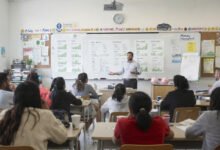
Kids and adults alike benefit from learning:
- How to name what they’re feeling instead of just reacting to it
- Healthy ways to regulate frustration, anxiety, or anger in the moment
- How to read social and emotional cues in other people
- The difference between empathy and simply agreeing with someone
This isn’t soft or optional. Workplaces increasingly value people who can manage stress, handle feedback, and collaborate without drama, and none of that happens automatically. Building emotional intelligence early makes almost everything else on this list easier to learn.
3. Critical Thinking and Media Literacy
We live in a world flooded with information, and a lot of it is wrong, manipulated, or designed to provoke a reaction rather than inform. Critical thinking and media literacy should be core subjects, not electives, given how much of daily life now involves sorting fact from fiction online.
This skill includes:
- Evaluating the credibility of a source before sharing or believing it
- Recognizing logical fallacies and manipulative rhetoric
- Understanding how algorithms shape what we see on social media
- Distinguishing between opinion, analysis, and verified fact
Without this training, people become easy targets for misinformation, scams, and polarized thinking. Teaching students to question claims, check sources, and think independently is one of the most protective skills schools don’t teach in an era of constant digital noise.
4. Communication and Public Speaking
Plenty of students go through school writing essays and answering questions in class, but very few get real training in communication skills like active listening, persuasive speaking, or handling difficult conversations. Public speaking in particular remains one of the most common fears people carry into adulthood, largely because it’s never practiced enough to become comfortable.
Practical communication training should cover:
- Structuring a clear, persuasive argument
- Active listening, including how to respond instead of just waiting to talk
- Reading body language and tone
- Speaking confidently in front of a group, even a small one
- Writing professional emails and messages
Strong communicators tend to advance faster in careers, resolve conflicts more smoothly, and build better relationships. It’s a soft skill with very hard, measurable payoffs.
5. Time Management and Productivity
Homework deadlines exist, but few schools actually teach students how to manage their time, prioritize tasks, or avoid procrastination. Time management is often treated as something people either have or don’t, rather than a learnable skill.
Useful habits include:
- Breaking large projects into smaller, manageable steps
- Prioritizing tasks by urgency and importance, not just deadline
- Building routines that reduce decision fatigue
- Recognizing and interrupting procrastination patterns
Without this foundation, people carry disorganized habits into jobs and personal life, leading to burnout, missed deadlines, and constant last-minute scrambling. A basic system for managing time is one of the more overlooked practical life skills that pays off almost immediately once learned.
6. Basic Cooking and Nutrition
It’s common for young adults to leave home barely able to cook more than instant noodles, despite having spent years studying subjects they’ll rarely use again. Cooking skills and basic nutrition knowledge directly affect health, budget, and quality of life, yet home economics classes have largely disappeared from many school systems.
What’s actually useful here:
- How to prepare a handful of simple, balanced meals from scratch
- Reading nutrition labels and understanding portion sizes
- Grocery shopping and meal planning on a budget
- Basic food safety, like proper storage and cooking temperatures
The CDC’s guidance on healthy eating habits underscores how much long-term health outcomes are shaped by daily food choices, choices that are much easier to make well when someone actually knows how to cook.
7. Digital Literacy and Online Safety
Kids today grow up with devices in their hands, but familiarity with apps isn’t the same as understanding how to stay safe online. Digital literacy should include far more than knowing how to use a smartphone. It should cover how to protect personal data, spot phishing attempts, and manage a digital footprint responsibly.
Core topics worth teaching:
- Creating strong, unique passwords and using two-factor authentication
- Recognizing phishing emails, fake websites, and scam messages
- Understanding privacy settings across social platforms
- Managing screen time and digital wellbeing
- The long-term consequences of what gets posted online
As cyberattacks and identity theft become more common, this is quickly becoming one of the more urgent skills schools still don’t teach, especially for a generation that will spend most of its life online.
8. Negotiation Skills
Negotiation isn’t just for lawyers and salespeople. It shows up when asking for a raise, splitting chores with a roommate, buying a car, or resolving a disagreement with a partner. Despite how often it’s needed, negotiation skills are almost never taught directly.
Basic negotiation training would include:
- Preparing and knowing your priorities before a conversation
- Listening for the other side’s actual interests, not just their position
- Staying calm and firm without becoming confrontational
- Knowing when to compromise and when to walk away
People who never learn to negotiate often accept less than they deserve, whether that’s a lower salary or an unfair deal, simply because they were never taught how to advocate for themselves clearly and confidently.
9. Conflict Resolution
Disagreements are unavoidable, at work, at home, and in friendships. Yet most people never receive formal training in conflict resolution, so they either avoid confrontation entirely or handle it poorly when it can’t be avoided.
Effective conflict resolution involves:
- Separating the problem from the person
- Using calm, non-accusatory language (“I feel” instead of “you always”)
- Finding common ground before jumping to solutions
- Knowing when to involve a third party or mediator
Teaching this early reduces bullying and classroom tension, and it carries forward into healthier adult relationships and workplaces. It’s one of the more underrated skills schools don’t teach, considering how much daily friction it could prevent.
10. Practical “Adulting” Skills
This is the catch-all category for the dozens of small but essential tasks that catch new adults off guard: understanding insurance, renting an apartment, changing a tire, reading a contract, or knowing what to do after a minor car accident. These practical life skills rarely get formal instruction anywhere, so people end up learning them the hard way, usually after a costly mistake.
A few examples worth including in any curriculum:
- How renting works, including leases, deposits, and tenant rights
- The basics of health, auto, and renters insurance
- Simple home maintenance and repairs
- What to do in common emergencies, from a flat tire to a power outage
- How to read and understand a contract before signing it
None of these require advanced expertise, just basic exposure so people aren’t figuring it all out for the first time under pressure.
Why This Gap Still Exists
Curriculums are crowded, standardized testing dominates priorities, and funding for electives like home economics or financial literacy has shrunk over the decades. Teachers already have packed schedules built around measurable academic outcomes, and skills like emotional regulation or negotiation don’t show up neatly on a test score. That makes them easy to deprioritize, even though their real-world impact is arguably larger than a lot of what does get tested.
Closing this gap doesn’t necessarily mean overhauling the entire education system overnight. Small steps help: schools adding a single semester of financial literacy, parents having honest conversations at home about money and emotions, or adults simply taking the initiative to learn what they missed. None of these skills schools don’t teach are impossible to pick up later in life, they just take a bit more intention once the classroom is no longer doing it for you.
Conclusion
Schools do a solid job teaching academic fundamentals, but the skills schools still don’t teach, financial literacy, emotional intelligence, critical thinking, communication, time management, cooking, digital safety, negotiation, conflict resolution, and everyday practical know-how, are exactly the ones that shape how well someone actually functions as an adult.
These aren’t niche extras; they’re the tools people lean on every single day, whether they’re managing a paycheck, navigating a disagreement, or just trying to stay safe online. Whether the responsibility falls on schools to expand their curriculums or on individuals to fill the gaps themselves, the goal is the same: making sure people aren’t left to learn life’s most important lessons the hard way.