How to Build a Career Plan in 7 Simple Steps When You Have No Clear Direction
Feeling lost about work? Here's a practical, step-by-step way to build a career plan even when you have no clear direction yet.

If you’re trying to figure out how to build a career plan and you feel like you’re starting from zero, you’re in good company. Most people don’t have a five-year plan sitting in a drawer somewhere. They’re winging it, adjusting as they go, and quietly wondering if everyone else has it more figured out than they do (they don’t).
Not having a clear direction doesn’t mean something is wrong with you. It usually means you haven’t yet connected the dots between what you’re good at, what you actually enjoy, and what the job market rewards. That connection takes some deliberate work, but it’s not mysterious. It’s a process, and like any process, it gets easier once you break it into steps.
This article walks through a realistic way to build a career plan when you don’t know where to start. We’ll cover how to figure out why you feel stuck, how to explore options without overcommitting, how to set goals that actually hold up over time, and how to keep moving even when the picture isn’t fully clear. None of this requires having your whole life mapped out. It just requires a next step, and then another one after that.
Why “No Clear Direction” Is More Common Than You Think
Before jumping into the how-to, it helps to sit with the why for a minute. Career confusion isn’t a personal failing. Gallup’s ongoing research on workplace engagement has repeatedly found that a large share of workers feel disconnected from their jobs, which suggests that direction is something people build over time rather than something they’re simply born knowing.
There are a few common reasons people end up without a clear career direction:
- Too many options, not enough filters. When almost anything feels possible, nothing feels obviously right.
- A narrow picture of what “work” can look like. Most of us default to the jobs we’ve seen up close, which is a small slice of what’s actually out there.
- Fear of picking wrong. Treating a career choice as permanent makes every decision feel heavier than it needs to be.
- No recent self-reflection. It’s hard to know what you want next if you haven’t checked in with yourself in years.
- Following a path someone else chose for you. Family expectations, a “safe” degree, or a first job that just kind of happened can leave you disconnected from your own preferences.
Recognizing which of these applies to you is useful because it changes where you should start. Someone overwhelmed by options needs filters. Someone who’s never reflected needs space to think. There’s no single fix, but there is a starting point, and that’s where the actual planning begins.
Step 1: Get Honest About Where You Are Right Now
Building any kind of career plan starts with an honest inventory, not a vision statement. Skip the “where do I see myself in ten years” question for now. It’s too big and too abstract when you’re already feeling stuck.


Instead, ask smaller, more answerable questions:
- What parts of my current or past jobs did I actually enjoy?
- What tasks made time disappear, versus what tasks drained me?
- What have other people noticed I’m good at, even if I don’t think of it as a “skill”?
- What would I do differently if money weren’t a factor for one year?
- What kind of environment do I work best in: structured or flexible, solo or collaborative, fast-paced or steady?
Write the answers down somewhere you’ll actually look at again. Patterns tend to show up once you see your own answers on paper instead of just turning them over in your head. This reflection step is the foundation of any solid career development plan, because it’s much easier to evaluate opportunities later when you already know what you’re filtering for.
Look at Your Transferable Skills, Not Just Your Job Titles
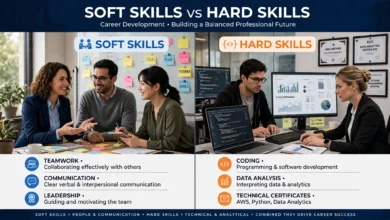
A lot of people get stuck because they think about their career in terms of job titles instead of skills. If your title has been “customer service rep” or “project coordinator,” it’s easy to feel boxed in. But titles are just labels. Underneath them are skills like problem-solving under pressure, managing competing deadlines, explaining complicated things simply, or building trust with strangers quickly.
Make a list of the actual skills behind your past roles, not just the job descriptions. These skills usually transfer across industries far more easily than people expect, and they open up options you might not have considered.
Step 2: Explore Before You Commit
Once you have a rough sense of your interests and strengths, resist the urge to immediately pick “the one” career and lock it in. Exploration should come before commitment, especially when you’re building a career plan without clear direction yet.
A few low-risk ways to explore:
- Informational interviews. Ask people in roles that sound interesting for 20 minutes of their time. Most people are more willing to talk about their own work than you’d expect.
- Shadowing or volunteering. Even a few hours observing a role can tell you more than weeks of reading job descriptions.
- Short courses or certifications. A low-cost class is a cheap way to test interest before investing years in a field.
- Side projects. If you’re curious about writing, design, coding, or teaching, a small personal project will tell you quickly whether the interest holds up in practice.
- Informal research. Read about a day in the life of a role, not just the salary and requirements.
The goal here isn’t to find your forever career on the first try. It’s to gather real information instead of guessing, and to rule things out as much as to rule things in. Ruling out a path you thought you wanted is still progress, even though it doesn’t feel like it in the moment.
Step 3: Set Goals That Don’t Require Full Certainty
Here’s a mental shift that helps a lot: you don’t need a finished destination to set useful goals. You need a direction that’s good enough for now, plus a willingness to adjust it later. This is one of the most important ideas in modern career planning, and it’s echoed by career guidance organizations that emphasize planning in rounds rather than committing to a single fixed outcome.
Instead of trying to answer “what do I want to do with my life,” try answering a smaller, more useful question: “what’s a good next step for the next one to three years?” That’s a timeframe most people can actually reason about. A few examples of what that next step might look like:
- Move into a role that uses more of the skills you enjoy, even if it’s not your dream job.
- Take a lateral move into a different department to test out a new area.
- Add a specific skill or certification that opens more doors.
- Take a short-term project or freelance gig in a field you’re curious about.
Use the SMART Framework to Turn Goals Into Action
Once you’ve picked a direction for the next stretch of time, turn it into something concrete using the well-known SMART goals approach:
- Specific – Name exactly what you’re aiming for, not a vague feeling.
- Measurable – Decide how you’ll know you’ve hit it.
- Achievable – Make sure it’s realistic given your current time and resources.
- Relevant – Check that it actually connects to the direction you’re exploring.
- Time-bound – Set a deadline, even a loose one, so it doesn’t drift indefinitely.
A goal like “get better at my career” isn’t actionable. A goal like “apply to three roles in data analysis by the end of next month, after finishing one online course” is something you can actually act on and track.
Step 4: Build a Simple, Flexible Career Plan Document
You don’t need a fancy template to have an effective career plan. A single document, even a basic one, keeps your thinking organized and gives you something to revisit and revise. A useful structure includes:
- Where you are now – current role, skills, and honest reflections from Step 1.
- What you’re exploring – the two or three directions you’re currently testing.
- Your next step – the specific goal you’re working toward over the next 1–3 years.
- Actions and deadlines – the concrete tasks tied to that goal.
- Review date – a date, three to six months out, when you’ll check in and adjust.
That last part matters more than people expect. A career plan isn’t a contract you sign once. It’s closer to a living document that should get revised as you learn more about yourself and the field you’re exploring. Treating it as flexible from the start takes a lot of pressure off the initial decision.
Step 5: Deal With the Fear of Choosing Wrong
A big reason people avoid making a career plan in the first place is the fear of locking themselves into the wrong choice. It helps to remember that career paths today are rarely linear. Lateral moves, career pivots, and role changes later in life are common, not rare exceptions.
A few reframes that help with this fear:
- A decision now is not a decision forever. Most people change roles, industries, or even entire careers multiple times.
- Wrong turns still teach you something. A job that doesn’t fit still tells you more about what does.
- Waiting for certainty often costs more than acting on partial information. Time spent stuck is time not spent learning.
If the fear feels bigger than these reframes can handle on their own, a career coach or mentor can help. As Forbes has noted on career direction, a good coach acts like a sounding board and can challenge blind spots you can’t easily see on your own. You don’t need one to get started, but it’s a legitimate option if you’re feeling stuck for a long stretch of time.
Step 6: Keep Momentum Going Even When Progress Feels Slow
Once you have a rough plan, the hardest part is often just continuing. Motivation dips, life gets busy, and it’s easy to let a career plan quietly gather dust. A few ways to keep it moving:
- Break big goals into weekly actions. A goal that only exists at the yearly level is easy to postpone indefinitely.
- Track small wins. Finished a course module, sent an application, had a good informational interview? Write it down. Progress is easier to see in hindsight than in the moment.
- Revisit your plan on the review date you set. Don’t wait for a crisis to reconsider your direction. Build the check-in into your calendar.
- Tell someone about your plan. Accountability, even informal, makes it more likely you’ll follow through.
Progress in a career plan rarely looks dramatic day to day. It looks like a series of small, unremarkable actions that add up over months. That’s normal, and it’s usually a sign the plan is working, not a sign it’s failing.
Step 7: Revisit and Revise Regularly
The final step is really an ongoing habit rather than a one-time task. Career planning works best as a loop: reflect, explore, set a goal, act, then reflect again with new information. Each round should be a little more informed than the last, because you’ll know more about yourself and your options each time you cycle through.
A simple check-in routine every few months might include:
- What have I learned about myself since the last review?
- Is my current next step still the right one, or has something changed?
- What new information (skills, interests, opportunities) should shape my plan going forward?
- What’s my next concrete action?
This loop is what separates people who feel permanently stuck from people who feel like they’re making progress, even without total clarity. The plan doesn’t need to be perfect. It just needs to keep moving with you.
Common Mistakes to Avoid When You Have No Career Direction
A few patterns tend to slow people down more than the lack of direction itself:
- Waiting for a single “aha” moment. Clarity for most people builds gradually through action, not through a sudden realization.
- Comparing your timeline to others. People find direction at very different ages and stages, and a later start doesn’t mean a worse outcome.
- Treating exploration as wasted time. Every informational interview, course, or short-term role adds information, even the ones that don’t lead anywhere directly.
- Skipping the reflection step. Jumping straight to job applications without understanding your own preferences tends to produce more confusion, not less.
- Making the plan too rigid. A career plan that can’t flex with new information will eventually break instead of bend.
Conclusion
Not having a clear direction is a common and completely workable starting point, not a permanent state. Building a career plan when you feel stuck starts with honest reflection on your skills and preferences, followed by low-risk exploration of a few paths, a flexible next-step goal instead of a rigid final answer, a simple document to track it all, and a regular habit of revisiting and adjusting as you learn. None of this requires having your whole future figured out today. It just requires picking a reasonable next step, acting on it, and staying willing to adjust the plan as you go. That’s how most solid careers actually get built, one honest, well-considered step at a time.