Burnout Warning Signs: 7 Critical Symptoms Every Student Must Recognize
Recognize the burnout warning signs students often miss, from constant exhaustion to slipping grades, and steps that help before it worsens.
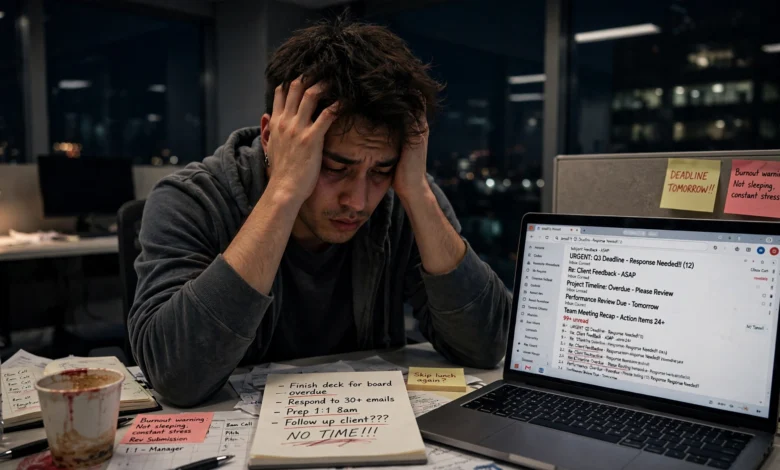
Burnout warning signs rarely show up all at once. They build slowly, hiding behind excuses like “I’m just tired” or “this semester is unusually hard,” until a student realizes they can barely get out of bed for a class they used to enjoy. Student burnout is now one of the most common, and most overlooked, mental health issues on campuses and in high schools alike. It’s not laziness, and it’s not a personality flaw. It’s a real, measurable response to prolonged academic pressure, and it can affect grades, relationships, physical health, and long-term wellbeing if it goes unnoticed.
The tricky part is that burnout looks different from ordinary stress. A stressed student still cares about the outcome, even if they’re overwhelmed. A burned-out student often stops caring altogether, not because the work doesn’t matter, but because they have nothing left to give it. That shift, from “I’m struggling to keep up” to “I don’t see the point anymore,” is the real marker of academic burnout, and it’s the one most students, parents, and even teachers miss.
This article walks through the clearest burnout warning signs, explains why they happen, and lays out practical steps for recovery, so students can catch the problem early instead of pushing through until something breaks.
What Is Student Burnout, Really?
Burnout was first studied in the workplace, but researchers have long since applied the same framework to students, since school functions as a full-time job with deadlines, evaluations, and social pressure attached. According to the World Health Organization, burnout is defined by three core dimensions:
- Emotional exhaustion — feeling drained, depleted, and unable to cope with daily demands
- Cynicism or detachment — a growing sense of negativity, distance, or apathy toward schoolwork
- Reduced sense of accomplishment — feeling ineffective, incompetent, or like nothing you do is good enough
For students, this translates into chronic tiredness that sleep doesn’t fix, a creeping indifference toward subjects they once liked, and a nagging feeling that they’re falling behind no matter how hard they try. Left unaddressed, academic burnout can spiral into anxiety, depression, and in some cases, complete disengagement from school.
Burnout Warning Signs Every Student Should Know
Not every tired or stressed-out student is burned out. But when several of the following symptoms appear together and persist for weeks rather than days, it’s worth paying attention.
1. Constant Physical Exhaustion
This is usually the first and most obvious of the burnout warning signs. It’s not the kind of tiredness that a good night’s sleep resolves. Burned-out students often describe feeling drained the moment they wake up, as if their body never fully recovers. Common physical complaints include:


- Persistent fatigue, even after 8+ hours of sleep
- Frequent headaches or muscle tension
- A weakened immune system, leading to more frequent colds or illness
- Low energy that makes even small tasks feel exhausting
This kind of exhaustion is your body signaling that its stress response has been switched on for far too long.
2. Loss of Motivation and Interest
A student experiencing burnout often loses interest in subjects, hobbies, or activities they used to genuinely enjoy. This isn’t ordinary procrastination. Procrastination usually comes with guilt and an underlying desire to do the work eventually. Burnout comes with indifference. Assignments start to feel pointless rather than difficult, and the question “why am I even doing this?” becomes a regular thought rather than an occasional one.
3. Declining Academic Performance
Ironically, burnout often develops in students who care the most, the overachievers, the ones juggling advanced courses, extracurriculars, part-time jobs, and social obligations at once. When burnout sets in, performance drops even though effort (at least early on) hasn’t. Warning signs here include:
- Missed deadlines that didn’t used to be an issue
- Careless mistakes on work the student is fully capable of doing well
- Trouble starting assignments despite having enough time
- A noticeable gap between the effort being put in and the results coming out
4. Increased Irritability and Cynicism
Burnout doesn’t just drain energy, it changes attitude. Students may become unusually short-tempered with friends, family, or teachers. They might start speaking cynically about school (“none of this matters anyway”) or about themselves (“I’m just bad at this”). This detachment is one of the clearest academic burnout symptoms, because it marks the shift from being stressed about the workload to feeling emotionally disconnected from the whole process.
5. Trouble Concentrating or Making Decisions
Chronic stress affects the brain’s ability to focus and process information. Burned-out students frequently report:
- Difficulty concentrating during lectures or while studying
- Reading the same paragraph multiple times without absorbing it
- Feeling mentally “foggy” or scattered
- Struggling to make even small decisions, like what to study first
This cognitive fog is a direct result of prolonged stress hormones circulating in the body, and it tends to worsen the longer burnout goes unaddressed.
6. Changes in Sleep and Appetite
Burnout frequently disrupts the basic routines that keep a person functioning well. Some students sleep far more than usual, using it as an escape. Others struggle to fall or stay asleep because their mind won’t stop racing about deadlines. Appetite changes follow a similar pattern, with some students skipping meals entirely and others turning to comfort eating. Either extreme is worth noticing, especially when it’s a clear departure from a student’s normal habits.
7. Withdrawal from Friends and Activities
As burnout deepens, students often pull away from the people and activities that once gave them a sense of balance. Social invitations get turned down more often, club meetings get skipped, and conversations start to feel like one more obligation rather than something enjoyable. This isolation tends to make burnout worse, since peer support is one of the strongest protective factors against chronic stress.
Why Burnout Happens in Students
Understanding the root causes makes it easier to spot the pattern before it fully takes hold. Common contributors include:
- Heavy academic workloads paired with frequent testing and tight deadlines
- Perfectionism, where anything less than an excellent result feels like failure
- Overcommitment, juggling academics with jobs, sports, and extracurriculars
- Poor boundaries around rest, treating breaks as wasted time rather than necessary recovery
- Financial stress, particularly for students managing tuition and living costs
- Lack of social support, especially for students who’ve moved away from home or are studying in an unfamiliar environment
A Mayo Clinic overview of burnout notes that a lack of control over one’s schedule, unclear expectations, and an imbalance between effort and reward are among the strongest predictors of burnout across settings, academic environments included.
The Difference Between Burnout and Normal Stress
It helps to draw a clear line between everyday academic stress and true burnout, since they call for different responses.
| Normal Stress | Student Burnout |
|---|---|
| Feels urgent but manageable | Feels constant and overwhelming |
| Energy is low but recoverable with rest | Rest doesn’t seem to help |
| Still motivated, even if anxious | Motivation and caring have faded |
| Tied to a specific event (exam week, deadline) | Persists regardless of workload changes |
| Improves once the stressor passes | Continues even during breaks |
If a student notices that rest, vacations, or lighter weeks aren’t restoring their energy or interest, that’s a strong indicator they’ve crossed from stress into burnout territory.
How Students Can Start Recovering From Burnout
Recovery doesn’t require dropping out or overhauling an entire life. It usually starts with small, consistent changes that rebuild energy and a sense of control.
- Protect sleep as a non-negotiable. Aim for a consistent sleep schedule rather than sacrificing rest for extra study hours, which tends to backfire on both memory and mood.
- Break tasks into smaller pieces. Large projects feel less overwhelming when broken into steps that can be completed in short, focused sessions.
- Build in real breaks. Downtime without a phone or screen, even 20–30 minutes a day, helps the nervous system reset.
- Reassess commitments. Not every club, job, or extracurricular has to continue at full intensity during a demanding semester. Cutting back somewhere is not a failure.
- Talk to someone. Whether it’s a friend, family member, professor, or counselor, saying the words “I think I’m burned out” out loud often relieves some of the pressure and opens the door to practical support.
- Reconnect with what matters. Spending time on one activity purely because it’s enjoyable, not because it builds a resume, helps rebuild a sense of identity outside of academic performance.
- Track patterns, not just deadlines. Keeping a simple log of energy, mood, and sleep can reveal whether burnout is improving, staying flat, or getting worse.
When to Seek Professional Help
Self-help strategies work for many students, but burnout that includes persistent low mood, hopelessness, panic symptoms, or thoughts of self-harm needs more than lifestyle adjustments. Most schools and universities offer free or low-cost counseling services, and reaching out early tends to prevent burnout from developing into a more serious mental health condition such as anxiety or depression. Recognizing burnout warning signs early, and acting on them, is far easier than recovering from a full collapse months down the line.
Conclusion
Student burnout is a gradual process, and that’s exactly what makes it dangerous, since it’s easy to dismiss the early signs as ordinary tiredness or a rough patch. Constant exhaustion, fading motivation, slipping grades, irritability, poor concentration, disrupted sleep, and social withdrawal are the clearest burnout warning signs, and when several appear together over weeks rather than days, it’s worth taking seriously rather than pushing through.
The good news is that burnout is reversible. With better boundaries, protected rest, honest conversations, and support from counselors or trusted people, students can rebuild their energy and their relationship with learning long before burnout turns into something harder to undo.