What to Do When a Student Feels Left Out at School
Student feels left out at school? Here's how to spot the signs early and help your child rebuild confidence and real friendships.
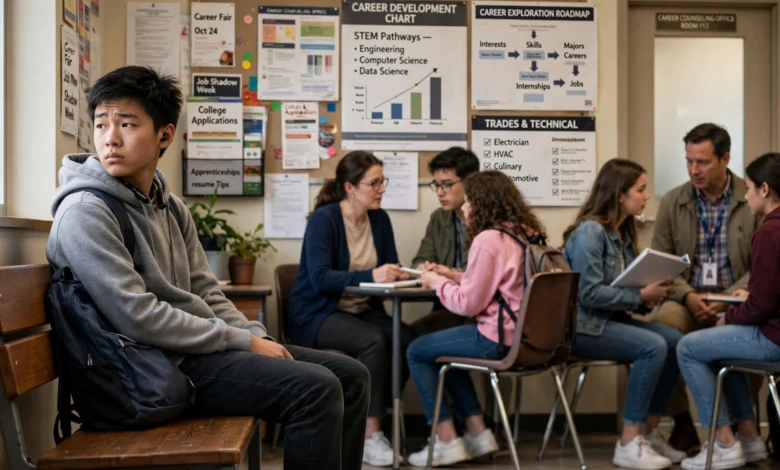
When a student feels left out at school, it rarely shows up as a dramatic announcement. It shows up as a quiet lunch table, a sudden headache before the bus arrives, or a one-word answer to “how was your day?” Most parents don’t get a clear signal that something is wrong. They get a shrug.
Social exclusion is one of the most common, and most underestimated, struggles kids face during their school years. It’s not the same as bullying, though the two can overlap, and it doesn’t always leave visible marks. What it does leave behind is a kid who starts to believe something is wrong with them, when really, friendships at this age are just messy, shifting, and hard to predict.
This guide walks through why kids feel excluded, how to recognize it even when they don’t say it outright, and what actually helps, both at home and in partnership with the school. You’ll also find practical scripts, a look at how exclusion shows up differently by age, and guidance on when the situation has crossed into something that needs more than a conversation at the dinner table.
The goal isn’t to fix every social moment for your child. It’s to give them the tools, and the reassurance, to find their footing again.
Why a Student Feels Left Out at School in the First Place
Before jumping to solutions, it helps to understand what’s actually happening. A student feeling left out is usually the result of one or more of these:
- Shifting friend groups. Kids’ social circles change constantly, especially around transitions like a new school year, a move to middle school, or a change in classroom seating.
- Different interests or paces of maturity. One child may still want to play pretend games while classmates have moved on to phones and group chats.
- Limited social skills or social anxiety. Some kids struggle to read group dynamics, join conversations, or recover after an awkward interaction.
- A single triggering event. A missed birthday invite, a group project gone wrong, or an inside joke they weren’t part of can snowball into a bigger sense of exclusion.
- Actual exclusionary behavior from peers. Sometimes it’s not perception. Other kids may be deliberately leaving someone out, which edges closer to relational aggression or bullying.
Knowing which of these is driving the situation changes how you respond. A confidence issue calls for encouragement and small social wins. A pattern of deliberate exclusion calls for adult intervention.
Signs Your Child Feels Excluded (Even If They Don’t Say So)
Kids, especially younger ones, don’t always have the words for social exclusion. Watch for these signals instead:


- Reluctance to go to school or sudden complaints of stomachaches and headaches on school mornings with no medical cause.
- Changes in mood, like increased irritability, sadness, or withdrawal after school.
- Fewer mentions of friends, or the same friend’s name disappearing from conversation entirely.
- Negative self-talk, such as “nobody likes me” or “I’m not good at making friends.”
- Eating lunch alone or sitting apart during recess, which teachers can often confirm.
- Fewer invitations to birthday parties, sleepovers, or hangouts than before.
- Loss of interest in activities they used to enjoy, particularly ones tied to a social group.
If you notice several of these together, it’s worth opening a conversation rather than waiting for your child to bring it up first.
How to Help When Your Student Feels Left Out at School
1. Listen Before You Try to Fix Anything
The instinct to jump straight into problem-solving is strong, especially when your own child is hurting. But the first and most important move is simply to listen. Let them finish the story without interrupting, correcting, or minimizing what happened.
Try reflecting back what you hear instead of reacting: “It sounds like it really hurt when they didn’t save you a seat.” This kind of validation tells your child their feelings make sense, which matters more than any advice you could offer in the moment.
2. Resist the Urge to Overreact
It’s natural to feel protective, even angry, on your child’s behalf. But if you respond with outrage toward the other kids or the school, your child may start filtering what they tell you to avoid triggering that reaction. Stay calm, even if you don’t feel calm internally. This keeps the door open for future conversations.
3. Help Them Name and Process the Feeling
Kids often experience exclusion as a vague, heavy feeling they can’t quite explain. Helping them put language to it, whether that’s “left out,” “embarrassed,” or “disappointed,” gives them a way to process the experience instead of just absorbing it as a fact about themselves.
Ask open-ended questions like:
- “What part of that felt the worst?”
- “Is there anyone in your class you’d like to get to know better?”
- “What do you think happened from their side?”
These questions build reflection skills without putting your child on the spot.
4. Teach Assertive, Not Aggressive, Communication
A student feeling left out benefits enormously from learning how to speak up for themselves in a calm, direct way. Practice simple phrases together, such as:
- “Can I sit here?”
- “I’d like to join too.”
- “That hurt my feelings when you said that.”
Role-playing these lines at home, even if it feels a little silly, builds real confidence for using them in the moment.
5. Broaden Their Social Circle Outside the Main Friend Group
One of the most effective long-term strategies is helping your child build connections beyond the group where they’re currently feeling excluded. Clubs, sports teams, art classes, or volunteer activities introduce new peers who share genuine interests, which tends to create friendships that feel more stable.
This doesn’t need to replace their existing friendships. It just widens the circle so one difficult social dynamic doesn’t define their entire school experience.
6. Loop In the Teacher, Thoughtfully
Teachers see the parts of the school day parents never do, lunch, recess, group work, hallway interactions. A short, specific note or a request for a quick conversation can go a long way:
- Share what your child has told you, factually and without blame.
- Ask if the teacher has noticed similar patterns.
- Ask about existing clubs, buddy systems, or seating arrangements that might help.
Most teachers appreciate being brought in early, before a situation escalates into something bigger.
7. Know When to Escalate
If the exclusion involves name-calling, physical intimidation, deliberate humiliation, or repeated targeting, this has moved beyond typical social friction and into bullying territory. Teens who go through repeated exclusion often start to blame themselves for it, and that mindset can carry over into how they act at school and in new social settings, which is one more reason to step in early rather than wait it out. At that point, involve the school’s administration directly and keep a written record of incidents, dates, and any conversations you’ve had with staff. For federal guidance on identifying and reporting bullying, StopBullying.gov is a reliable, government-run resource for parents and educators.
How Feeling Left Out Looks Different by Age
Elementary School
At this stage, exclusion is often situational and short-lived. A child might be left out of one recess game and included the next day. The focus here should be on validating feelings, teaching basic social scripts, and helping kids understand that friendships at this age are still forming and reforming constantly.
Middle School
This is often the hardest stretch. Friend groups solidify and fracture quickly, and around this age, kids start to define who they are largely through their peer group, which makes exclusion feel especially personal. Encouraging involvement in clubs or shared-interest activities tends to help more here than at any other stage.
High School
Social exclusion in high school can be quieter but longer-lasting, particularly around transitions like starting a new school. Kids who felt settled in middle school often find themselves starting over socially once high school begins, and rebuilding that sense of belonging takes patience. Small, low-pressure steps, joining one club, sitting somewhere new at lunch, tend to work better than pushing for instant, close friendships.
What Not to Do When Your Child Feels Left Out
- Don’t dismiss the feeling. Comments like “just ignore them” or “it’s not a big deal” tend to shut down communication rather than help.
- Don’t badmouth the other kids. It might feel satisfying in the moment, but it teaches your child to respond to hurt with hostility rather than reflection.
- Don’t force friendships. Arranging a playdate with a specific classmate rarely works if there’s no natural connection. Focus on opportunities, not outcomes.
- Don’t take over the problem entirely. Stepping in to solve every social hiccup can unintentionally signal that your child isn’t capable of handling it themselves.
Building Long-Term Resilience
Helping a student who feels left out at school isn’t just about resolving one incident. It’s about building the emotional skills that carry them through every social challenge ahead. That includes:
- Encouraging self-compassion rather than self-criticism after a hard social day.
- Modeling healthy friendship behavior at home, including how you talk about your own relationships.
- Celebrating small social wins, a new conversation, a shared laugh, sitting with someone new, rather than waiting for a dramatic turnaround.
- Reassuring them that belonging often takes time to rebuild, and that one hard week doesn’t predict the rest of the school year.
Talking through these moments with your child, rather than just comforting them and moving on, can turn a painful experience into a real chance to build coping skills and confidence. For more on the emotional side of exclusion, Psychology Today’s overview on talking with kids about being left out offers additional context grounded in developmental research.
Conclusion
When a student feels left out at school, the situation calls for patience more than panic. Most exclusion isn’t malicious, it’s the natural friction of kids figuring out friendships, identity, and belonging as they grow. The most effective response combines calm listening, honest conversation, practical social skills, and a willingness to involve teachers when a pattern shows up.
Left-out feelings, handled well, don’t have to define a child’s school experience; with steady support at home and clear communication with the school, most kids find their way back to feeling connected, and often come out of the experience more resilient than before.