Struggling Student Support: 7 Powerful Ways to Help Without Making Things Worse
Struggling student support starts with the right approach. Learn seven practical, research-backed ways to help without causing more harm.
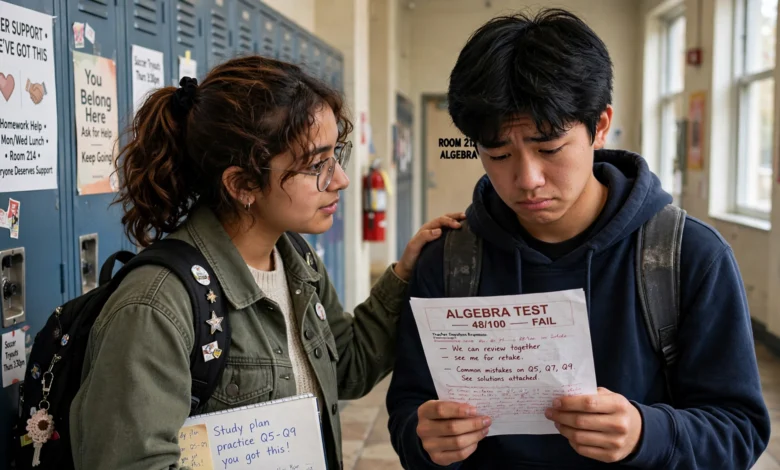
Watching a child, teenager, or young adult struggle in school is one of the harder things a parent, teacher, or mentor deals with. You want to step in. You want to fix it. But there’s a real risk that good intentions land wrong, and instead of helping, you end up adding pressure, shame, or anxiety to an already tough situation.
Struggling student support isn’t about working harder at the same strategies that aren’t landing. It’s about understanding what’s actually happening underneath the grades, the missed assignments, or the sudden drop in motivation. A kid who’s falling behind academically is rarely just being lazy or careless. More often, something else is going on: a learning difference, anxiety, a rough situation at home, or simply a mismatch between how they learn and how they’re being taught.
This article walks through what actually works when you’re trying to support a struggling student, and just as importantly, what tends to backfire. We’ll cover how to spot the difference between a temporary slump and a deeper problem, how to talk to a student without triggering defensiveness or shutdown, and how to build a support plan that doesn’t rely on nagging, bribing, or punishing. Whether you’re a parent watching report cards slide, a teacher managing a classroom of different needs, or a tutor trying to figure out why nothing seems to click, the goal here is the same: help that actually helps, not help that quietly makes things worse.
Understanding Why a Student Is Struggling Before You Act
Before jumping into fixes, it’s worth pausing on this: academic struggle has a cause, and that cause determines what kind of help will actually work. Treating every struggling student the same way is one of the most common mistakes adults make.
Common Reasons Students Fall Behind
A few things tend to show up again and again when a student starts slipping:
- Undiagnosed learning differences, such as dyslexia, ADHD, or processing disorders, that make standard teaching methods harder to absorb
- Anxiety or depression, which can look like procrastination, avoidance, or “not caring” on the surface
- Situational stress, like family conflict, a move, a breakup, bullying, or financial hardship at home
- Skill gaps from earlier grades that never got addressed and keep compounding
- Burnout, especially in students who were high achievers and are now running on empty
- Disengagement, where the material genuinely doesn’t feel relevant or interesting to them
Each of these needs a different response. A student who’s burned out needs less pressure and more rest. A student with a skill gap needs targeted instruction, not just more homework. Lumping them all into “needs to try harder” is where a lot of well-meaning intervention goes sideways.
Signs That Go Beyond Normal Struggle
It’s normal for kids to have an off week or a bad semester. But there are signs worth paying closer attention to, because they suggest something more than a rough patch:


- Sudden, sharp drops in grades rather than a gradual slide
- Withdrawal from friends, activities, or things they used to enjoy
- Changes in sleep, appetite, or energy
- Increased irritability or emotional outbursts
- Statements about feeling hopeless, worthless, or like nothing matters
If you notice these, especially combined with academic struggle, it’s worth reaching out to a school counselor or mental health professional rather than trying to handle it solely through study strategies. The American Psychological Association has useful guidance on recognizing when academic difficulty overlaps with a mental health concern that needs professional attention.
How to Support a Struggling Student Without Adding Pressure
This is where most people trip up. The instinct is to add more: more check-ins, more consequences, more structure. Sometimes that’s exactly right. Often, it just adds more weight to a student who’s already buckling.
Start With Curiosity, Not Correction
When a student is falling behind, the first conversation shouldn’t be about the grade. It should be about them. Try asking:
- “What’s been hard about this class lately?”
- “Is there a part of this that feels confusing or overwhelming?”
- “How are you feeling about school in general right now?”
These questions open a door instead of closing one. Compare that to “Why didn’t you finish this?” or “You need to do better,” which tend to trigger defensiveness rather than honesty. Effective student support almost always starts with listening before problem-solving.
Separate the Behavior From the Identity
There’s a real difference between telling a student “you missed three assignments this week” and telling them “you’re irresponsible.” The first is a fact they can act on. The second becomes part of how they see themselves, and once a kid decides they’re “the lazy one” or “the dumb one” in a subject, it becomes a self-fulfilling prophecy that’s genuinely hard to undo.
Keep feedback specific and tied to actions, not character. This applies whether you’re a parent, teacher, or coach.
Avoid These Common Mistakes
A few things that feel like they should help but usually backfire:
- Constant monitoring, like checking grades multiple times a day, which signals distrust and increases anxiety
- Public comparison to siblings or classmates, which damages self-esteem and rarely motivates the way people hope
- Removing all consequences, which can leave a student feeling like their effort doesn’t matter either way
- Over-scheduling tutoring and extra help to the point the student has zero downtime
- Framing everything around college or future consequences, which can feel abstract and overwhelming rather than motivating
The goal is support that feels like backup, not surveillance.
Building a Practical Support Plan
Once you understand what’s driving the struggle, the next step is building something concrete. This is where academic support strategies actually get tested against real life.
Set Realistic, Small Goals
Big goals like “get all A’s this semester” are demotivating for a student who’s already behind, because the gap feels impossible to close. Smaller, specific goals work better:
- Turn in one assignment on time this week
- Ask one question in class or during office hours
- Spend 20 focused minutes on homework before taking a break
- Review notes for 10 minutes the night before a test
Small wins build momentum. Momentum builds confidence. Confidence is often the actual missing ingredient, not effort or intelligence.
Create Structure Without Micromanaging
Structure helps most struggling students, but there’s a difference between structure and control. Useful structure looks like:
- A consistent homework time and quiet space, decided together with the student
- A simple system for tracking assignments, whether that’s an app, a planner, or a whiteboard
- Regular but brief check-ins, maybe once a day, rather than constant hovering
- Clear, agreed-upon boundaries around screens during study time
Micromanaging looks like standing over their shoulder, rewriting their sentences, or redoing their work when it’s not perfect. That teaches a student their effort isn’t good enough rather than teaching them how to improve it.
Loop in the Right People
You don’t have to carry this alone, and honestly, you shouldn’t. A struggling student often benefits from a team, not a single adult trying to solve everything:
- Teachers, who can flag specific gaps or classroom behaviors you might not see at home
- School counselors, who can screen for learning differences or emotional struggles
- Tutors, for subject-specific skill gaps
- Pediatricians or therapists, if there are signs of anxiety, depression, or attention difficulties
According to research summarized by the National Institute of Mental Health, early identification and coordinated support between home, school, and healthcare providers significantly improves outcomes for students dealing with both academic and emotional difficulties. Trying to handle everything solo, especially if there’s an underlying mental health or learning issue, usually means missing something important.
Talking to a Struggling Student: What to Say and What to Avoid
The words you use matter more than most people realize. A single conversation can either open a student up or shut them down for weeks.
Phrases That Help
- “I noticed things have been tough lately. Want to talk about it?”
- “It’s okay to not have this figured out yet.”
- “What would make this easier for you?”
- “I’m on your side here, not against you.”
- “Let’s figure this out together.”
These phrases signal partnership. They tell the student you see them as a person dealing with something hard, not a problem to be managed.
Phrases That Hurt, Even When Well-Intentioned
- “You’re smarter than this.”
- “I don’t understand why this is so hard for you.”
- “Everyone else seems to be handling it fine.”
- “If you don’t fix this, you’ll never get into a good school.”
- “I’m disappointed in you.”
Even said gently, these carry a sting that sticks. They tend to increase shame, and shame is one of the biggest blockers to actual improvement. A student who feels ashamed is more likely to avoid the subject entirely, hide problems, or give up rather than ask for help.
When to Just Listen Instead of Problem-Solving
Not every conversation needs a fix at the end. Sometimes a student just needs to vent about how overwhelmed they feel, and jumping straight into solutions can feel dismissive, like their feelings didn’t matter enough to sit with for a minute. Try holding off on advice until you’ve asked, “Do you want help figuring this out, or do you just need to talk it through right now?” Letting them choose gives them a sense of control that’s often missing when everything else feels out of their hands.
Supporting Different Types of Struggling Students
Not every struggling student needs the same kind of help. Recognizing the type of struggle changes what “support” should actually look like.
The Anxious Perfectionist
This student often has good grades that are starting to slip, along with visible stress, perfectionism, and fear of failure. They need reassurance that mistakes are part of learning, lower stakes around individual assignments, and help reframing “good enough” as actually good enough.
The Disengaged Student
Grades have been low for a while, and the student seems checked out rather than stressed. They often respond better to finding relevance in the material, more autonomy in how they approach assignments, and genuine interest from adults in what does engage them, even outside school.
The Student With a Learning Difference
Struggle is inconsistent, showing up strongly in specific areas while other subjects are fine. This student typically needs formal evaluation, accommodations like extended time or alternative formats, and reassurance that a learning difference isn’t a reflection of intelligence.
The Student Dealing With Life Stress
Struggle often lines up with a specific event or ongoing situation at home. These students need patience, reduced academic pressure during the hardest stretch, and connection to counseling support if the stress is significant or prolonged.
When It’s Time to Bring in Professional Help
There’s a point where struggling student support goes beyond what a parent, teacher, or tutor can reasonably provide on their own, and recognizing that point is part of doing this well, not a failure to handle it yourself.
Consider professional evaluation or counseling if:
- The struggle has lasted more than a few months without improvement
- There are signs of anxiety, depression, or significant mood changes
- A learning difference seems likely based on patterns you’re seeing
- The student has expressed hopelessness or thoughts of self-harm
- Family conflict or stress at home seems to be a major driver
Bringing in a school psychologist, therapist, or educational evaluator isn’t giving up on the student. It’s making sure they get support that matches what they’re actually dealing with, rather than support that’s guessing at it.
Conclusion
Supporting a struggling student comes down to understanding before acting, listening before fixing, and structure without control. The students who bounce back aren’t usually the ones who got the most pressure or the most consequences. They’re the ones who felt understood, had realistic goals to work toward, and knew the adults around them were on their side rather than standing over them with a scorecard.
Whether the struggle is academic, emotional, or both, the same principle holds: help works best when it feels like partnership, not correction. Pay attention to what’s really going on, bring in the right people when needed, and give the student room to rebuild confidence one small win at a time. That’s what turns support into something that actually helps, instead of something that quietly makes things harder.