School Counselors Preventing Student Dropout: 10 Powerful Strategies for a Brighter Future
School counselors preventing student dropout through early intervention, emotional support, academic guidance, and strong family-school partnerships.
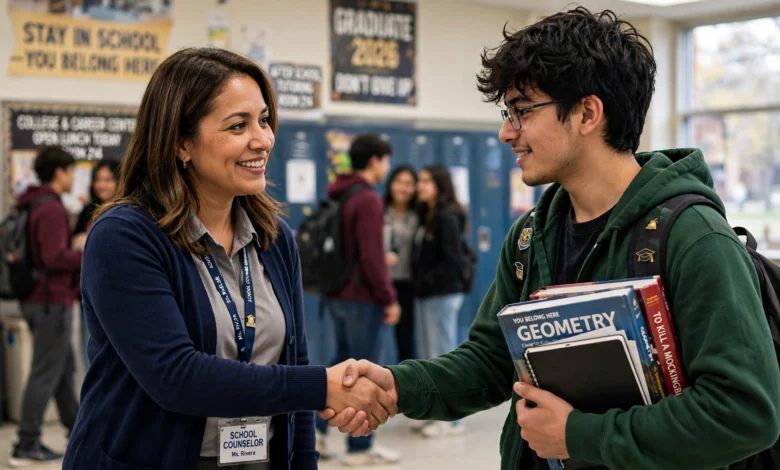
School Counselors Preventing Student Dropout is an essential part of building an inclusive, supportive, and successful educational environment. Every student deserves the opportunity to complete their education, develop meaningful skills, and prepare for a promising future. However, academic difficulties, financial challenges, family responsibilities, mental health concerns, bullying, poor attendance, and a lack of motivation can cause students to disengage from school and eventually leave before graduation. Student dropout is not simply an individual educational problem; it is a wider social concern that affects families, communities, and economic development.
School counselors play an important role in addressing these challenges by identifying struggling students, understanding their personal circumstances, and connecting them with appropriate support. Through academic guidance, emotional assistance, career counseling, family communication, and early intervention, counselors help students overcome barriers that threaten their educational progress. Their involvement can also strengthen students’ confidence, improve school attendance, and create a stronger sense of belonging.
Effective school counseling programs do more than respond to problems after they occur. They establish preventive strategies that recognize warning signs before students reach the point of leaving school. By working closely with teachers, parents, administrators, and community organizations, school counselors help create an environment where students feel valued, supported, and motivated to succeed. Understanding this role is essential for schools seeking practical and sustainable ways to improve student retention and graduation outcomes.

Competitor Analysis: What High-Quality Educational Resources Emphasize
A review of relevant high-ranking and authoritative educational resources reveals several recurring themes that should shape a comprehensive article about dropout prevention.
| Resource | Main subject | Useful content angle |
|---|---|---|
| American School Counselor Association (ASCA) | Counselor responsibilities and student development | Academic, career, and emotional support |
| Institute of Education Sciences (IES) | Evidence-based dropout prevention | Early warning indicators and individualized interventions |
| Colorado Department of Education | Counseling for the whole child | Family partnerships and coordinated support |
| National Dropout Prevention Center | Effective prevention strategies | Mentoring, engagement, and community collaboration |
| OECD | School attendance policies | Early identification and tiered attendance interventions |
The research highlights five important content opportunities:
-
Early identification: Recognizing attendance, behavioral, and academic difficulties before they become serious.
-
Individualized counseling: Addressing the circumstances and needs of each struggling student.
-
Mental health support: Helping students manage emotional and psychological barriers to learning.
-
Family engagement: Building communication between parents, students, counselors, and teachers.
-
Career and academic guidance: Demonstrating how education connects with future opportunities.
The IES practice guide, Preventing Dropout in Secondary Schools , is particularly useful because it identifies four evidence-based recommendations for improving graduation outcomes. These include monitoring student progress, providing individualized assistance, connecting education with future opportunities, and creating smaller supportive learning communities.
The following article builds on these established themes while explaining the practical responsibilities of school counselors in greater detail.
1. Understanding the Role of School Counselors in Preventing Student Dropout
School counselors serve as an important link between students, families, teachers, and educational institutions. Their responsibilities extend beyond providing advice about academic subjects. They help students recognize their abilities, address personal difficulties, make informed decisions, and remain connected to their educational goals.
The role of school counselors in preventing student dropout involves identifying potential problems, developing support systems, and helping students overcome obstacles that interfere with learning.
Academic Guidance and Student Support
Academic challenges are among the factors that can contribute to student disengagement. Students who repeatedly receive poor grades, struggle with particular subjects, or fall behind in their coursework may gradually lose confidence.
School counselors can help by:
-
Identifying students experiencing academic difficulties.
-
Helping students develop realistic study schedules.
-
Teaching time-management and organizational skills.
-
Connecting students with tutoring and additional academic assistance.
-
Establishing achievable academic goals.
-
Monitoring progress and celebrating improvements.
For example, a student who consistently struggles with mathematics may begin believing that academic success is impossible. A counselor can help identify the specific learning barriers, arrange additional instruction, and encourage the student to adopt practical study habits.
This approach helps students understand that academic difficulties can be addressed rather than viewed as permanent failures.
Emotional and Personal Development
Students sometimes experience personal challenges that negatively affect their educational performance. Family conflicts, relationship problems, bullying, anxiety, social isolation, and low self-esteem can make attending school difficult.
School counselors provide a supportive environment where students can discuss their concerns without unnecessary judgment.
Through individual conversations, group activities, and appropriate referrals, counselors help students develop:
-
Emotional awareness.
-
Self-confidence.
-
Healthy communication skills.
-
Stress-management techniques.
-
Conflict-resolution abilities.
-
Positive relationships with classmates and teachers.
These skills contribute to a healthier school experience and encourage students to remain engaged in education.
Career Guidance and Future Planning
Students may lose motivation when they cannot understand how education relates to their future ambitions. Career counseling helps establish this connection.
School counselors introduce students to different professions, educational pathways, vocational opportunities, and career requirements. They help students identify personal interests and understand which academic qualifications may support their ambitions.
When students recognize that completing school can create opportunities for employment, higher education, and personal development, they may become more motivated to continue their studies.
2. Identifying Early Warning Signs of Student Dropout
One of the most important responsibilities of school counselors preventing student dropout is recognizing warning signs before a student completely disconnects from school.
Students rarely leave education without experiencing difficulties beforehand. In many cases, changes in attendance, academic performance, classroom behavior, or social interaction provide important clues.
Early identification gives schools an opportunity to intervene before these difficulties become more serious.
Frequent Absenteeism and Poor Attendance
Regular school attendance is an important indicator of student engagement. Students who frequently miss classes may experience learning gaps, weaker relationships with teachers, and reduced academic confidence.
Counselors should monitor attendance records and investigate recurring absences.
Possible reasons include:
-
Transportation difficulties.
-
Financial hardship.
-
Family responsibilities.
-
Bullying or unsafe school environments.
-
Health-related challenges.
-
Anxiety or school avoidance.
-
Lack of interest in academic activities.
Rather than immediately treating absenteeism as misconduct, counselors should understand its underlying causes and develop appropriate solutions.
Declining Academic Performance
A sudden decline in grades may indicate that a student is experiencing difficulties beyond the classroom.
For example, a previously successful student who begins missing assignments and failing examinations may be dealing with family stress, emotional distress, financial concerns, or learning difficulties.
Counselors can communicate with teachers, review academic records, and arrange private discussions with the student to identify the reasons behind the change.
Behavioral and Social Changes
Behavioral changes can also indicate an increased risk of leaving school.
Warning signs may include:
-
Withdrawal from classmates and school activities.
-
Frequent classroom disruptions.
-
Increased disciplinary incidents.
-
Loss of interest in assignments.
-
Conflicts with teachers or other students.
-
Sudden changes in mood or participation.
Such behaviors should be examined carefully rather than automatically interpreted as a lack of discipline.
The ASCA position statement on student mental health identifies changes in attendance, school performance, mood, and behavior as potential warning signs requiring attention.
Using Early Warning Systems
Schools can use early warning systems to identify students who may need additional support.
These systems generally monitor three important indicators:
-
Attendance: Patterns of absence and missed instructional time.
-
Behavior: Disciplinary incidents, classroom participation, and engagement.
-
Academic performance: Grades, course completion, and progress toward graduation.
Counselors should use these indicators as starting points for conversations and support, not as automatic labels that define a student’s future.
3. Providing Individualized Counseling and Early Intervention
Every student has different experiences, abilities, and personal circumstances. Therefore, a single dropout prevention strategy cannot address every student’s needs.
Individualized counseling allows school counselors to understand each student’s situation and develop realistic solutions.
Conducting Individual Student Assessments
The first step is understanding why a student may be considering leaving school.
Counselors can conduct confidential, age-appropriate discussions to understand:
-
Academic difficulties.
-
Family and financial circumstances.
-
Emotional and social concerns.
-
Attendance barriers.
-
Peer relationships.
-
Educational interests and career ambitions.
The purpose is not to criticize the student but to identify barriers that can be addressed through appropriate assistance.
Developing Personalized Student Support Plans
After identifying the main challenges, counselors can develop individual support plans.
A practical plan may include:
| Identified challenge | Recommended intervention |
|---|---|
| Poor academic performance | Tutoring and academic monitoring |
| Frequent absences | Attendance improvement plan |
| Bullying | Safety planning and appropriate school intervention |
| Financial hardship | Referral to available financial assistance |
| Low motivation | Goal-setting and career counseling |
| Emotional difficulties | Short-term counseling and professional referrals |
| Family responsibilities | Flexible support and family coordination |
Each plan should include clear objectives, responsible staff members, and regular progress reviews.
Following Up With Students
An intervention is unlikely to remain effective without consistent follow-up.
Counselors should arrange regular meetings to evaluate whether students are improving and whether additional support is necessary.
A student who initially struggles with attendance may gradually return to regular participation when a counselor maintains contact, recognizes progress, and helps address practical obstacles.
This ongoing relationship can make a meaningful difference in how students view their place within the school community.
4. Supporting Students’ Mental Health and Emotional Well-Being
Mental and emotional well-being are closely connected with academic participation. Students experiencing emotional distress may find it difficult to concentrate, maintain relationships, complete assignments, or attend classes regularly.
Consequently, mental health support for students is an important element of effective dropout prevention.
Creating a Safe and Supportive Environment
Students should feel comfortable approaching counselors when they experience personal difficulties.
Counselors can establish trust by:
-
Listening actively without unnecessary criticism.
-
Respecting students’ dignity and privacy.
-
Explaining confidentiality and its safety-related limits.
-
Responding sensitively to individual experiences.
-
Encouraging students to express their concerns.
-
Providing culturally responsive support.
A supportive environment helps students understand that asking for assistance is a positive step rather than a sign of weakness.
Addressing Stress, Anxiety, and Depression
Academic pressure, family expectations, financial problems, and social challenges can contribute to emotional distress.
School counselors can provide appropriate short-term support, teach basic coping strategies, and recognize situations requiring specialized assistance.
For students experiencing persistent or serious mental health difficulties, counselors should coordinate referrals to qualified mental health professionals.
School counselors are not substitutes for clinical psychologists or psychiatric professionals unless they hold the relevant additional qualifications and work within their professional scope.
Preventing Bullying and Social Isolation
Bullying can make students feel unsafe and unwelcome. Students who experience repeated harassment may begin avoiding school or considering leaving education altogether.
Counselors can work with school administrators and teachers to:
-
Identify and respond to bullying.
-
Provide confidential reporting opportunities.
-
Support affected students.
-
Encourage respectful peer relationships.
-
Promote awareness of bullying prevention.
-
Develop appropriate conflict-resolution activities.
A safe learning environment encourages students to participate, develop friendships, and build positive connections with their school.
5. Strengthening Family and School Partnerships
Families have a significant influence on students’ educational experiences. Parents and caregivers can provide emotional encouragement, financial support, guidance, and motivation.
However, some families may not recognize the warning signs associated with school disengagement.
School counselors can strengthen communication between families and educational institutions, creating a shared approach to student success.
Encouraging Regular Parent Communication
Counselors should communicate with parents when students experience significant attendance problems, declining grades, or behavioral changes.
Effective communication should focus on understanding challenges and finding solutions rather than blaming families.
Useful approaches include:
-
Parent-teacher meetings.
-
Individual family counseling sessions.
-
Regular progress updates.
-
Educational awareness workshops.
-
Telephone or digital communication.
-
Family support and referral services.
Educating Parents About Dropout Prevention
Parents may assume that poor attendance or declining grades are temporary issues. Counselors can explain how these patterns may affect long-term educational outcomes.
They can also encourage families to establish supportive home environments by:
-
Providing regular study time.
-
Encouraging consistent attendance.
-
Recognizing academic achievements.
-
Discussing future educational goals.
-
Supporting positive friendships.
-
Communicating with teachers and counselors.
Addressing Financial and Family Challenges
Financial hardship is a major barrier to educational participation in many communities.
Some students miss school because they cannot afford transportation, uniforms, books, learning materials, or examination fees. Others may have responsibilities at home that interfere with regular attendance.
Counselors can help families identify available assistance, connect them with community organizations, and advocate for practical educational support.
The objective is to reduce preventable barriers that may otherwise force students to abandon their education.
6. Improving Student Engagement and School Belonging
Students are more likely to remain committed to education when they feel connected to their school, teachers, and classmates.
A sense of belonging can encourage students to participate in activities, build friendships, and develop positive attitudes toward learning.
Encouraging Extracurricular Participation
School counselors can encourage students to participate in activities that match their interests and abilities.
Examples include:
-
Sports competitions.
-
Debate clubs.
-
Science and technology societies.
-
Art and creative writing groups.
-
Community service projects.
-
Cultural activities.
-
Leadership programs.
Such opportunities help students develop confidence and establish meaningful relationships outside traditional classroom settings.
Building Positive Student-Teacher Relationships
Teachers influence how students experience school every day. Supportive relationships can encourage participation and help students feel respected.
Counselors can collaborate with teachers to identify students who feel disconnected and develop strategies for improving classroom relationships.
For example, teachers can provide constructive feedback, recognize individual achievements, and create opportunities for students to participate without fear of embarrassment.
Promoting Student Voice and Participation
Students should have opportunities to express their opinions about school policies, classroom experiences, and educational needs.
Counselors can organize student discussion groups, feedback sessions, and leadership activities.
When students feel that their opinions matter, they may develop a stronger sense of responsibility and connection to their educational environment.
7. Connecting Education With Career Opportunities
Students sometimes question the value of continuing their education because they cannot see how classroom learning will benefit their future.
Career guidance addresses this concern by connecting academic development with realistic professional opportunities.
Introducing Different Career Pathways
School counselors can provide information about:
-
University and college education.
-
Technical and vocational training.
-
Apprenticeships.
-
Professional certifications.
-
Entrepreneurship.
-
Employment opportunities.
-
Skills-based career development.
Students should understand that educational success can involve several pathways, not just one traditional route.
Organizing Career Awareness Activities
Career activities can make future opportunities more understandable and engaging.
Counselors can organize career fairs, invite professionals to speak with students, arrange workplace visits where possible, and provide information about educational requirements.
These activities help students connect their interests with practical goals.
Helping Students Set Achievable Goals
Long-term ambitions become more manageable when divided into smaller steps.
For example, a student interested in becoming an engineer might establish the following goals:
-
Improve mathematics and science performance.
-
Maintain consistent attendance.
-
Complete assignments on time.
-
Research relevant educational programs.
-
Prepare for admission requirements.
-
Develop technical and problem-solving skills.
This structured approach can strengthen motivation and give students a clearer reason to complete their education.
8. Collaborating With Teachers, Administrators, and Community Organizations
Preventing student dropout requires more than the efforts of an individual counselor. It requires coordinated action across the educational community.
School counselors can serve as important coordinators who connect students with the people and services needed to support their progress.
Working With Teachers
Teachers often notice changes in classroom behavior and academic performance before other school professionals.
Counselors can establish regular communication with teachers to discuss students who may need additional support.
Together, they can develop intervention plans, monitor improvements, and identify barriers affecting learning.
Coordinating With School Administrators
Administrators can provide the policies, resources, and institutional support necessary for effective dropout prevention.
Counselors can share attendance trends, identify gaps in student services, and recommend improvements to school procedures.
They can also advocate for policies that encourage inclusion, fairness, student participation, and appropriate academic assistance.
Building Community Partnerships
Community organizations can provide services that schools may not have the resources to offer independently.
Potential partners include:
-
Youth development organizations.
-
Social welfare agencies.
-
Mental health service providers.
-
Educational foundations.
-
Vocational training institutions.
-
Local businesses.
-
Community mentoring programs.
These partnerships can expand access to educational materials, counseling services, career guidance, and financial assistance.
The Colorado Department of Education’s Counseling for the Whole Child framework emphasizes coordinated school, family, and community support as part of effective dropout prevention.
9. Using Data and Technology to Improve Student Retention
Modern educational institutions can use data and digital tools to identify problems earlier and coordinate student support more effectively.
School counselors can use available student information to understand patterns, evaluate interventions, and identify students who need additional assistance.
Monitoring Attendance and Academic Records
Regularly reviewing attendance and academic information can help counselors identify changes that might otherwise go unnoticed.
For example, a student whose attendance gradually declines over several weeks may need an intervention before the pattern develops into chronic absenteeism.
Schools should establish appropriate procedures for reviewing and protecting student information.
Using Student Information Systems
Digital student information systems can help educational institutions organize:
-
Attendance records.
-
Academic performance.
-
Course completion.
-
Counseling referrals.
-
Intervention progress.
-
Graduation requirements.
Such systems can improve communication among authorized school professionals and support more informed decision-making.
Evaluating Counseling Program Effectiveness
Counselors should evaluate whether their interventions are producing meaningful improvements.
Useful indicators include:
-
Changes in student attendance.
-
Improved course completion.
-
Increased classroom participation.
-
Reduced disciplinary incidents.
-
Student and family feedback.
-
Improved progression toward graduation.
Data should be interpreted carefully. A change in dropout rates cannot automatically be attributed to counseling alone because multiple educational, family, and social factors influence student outcomes.
10. Implementing a Sustainable School Counseling Program
Individual counseling sessions are valuable, but schools need a structured program to make dropout prevention consistent and accessible.
A comprehensive school counseling program should address academic, career, and social-emotional development while providing appropriate levels of support.
Establishing Universal Prevention Activities
Universal activities are designed for all students, not just those already experiencing difficulties.
Examples include:
-
Classroom guidance lessons.
-
Study skills workshops.
-
Anti-bullying education.
-
Career awareness sessions.
-
Emotional well-being activities.
-
Attendance awareness campaigns.
These activities help create a supportive environment and may prevent emerging problems from becoming serious.
Providing Targeted Support
Some students need additional assistance because they show early warning signs.
Targeted interventions may include:
-
Small-group counseling.
-
Academic mentoring.
-
Regular attendance check-ins.
-
Parent communication.
-
Individual goal-setting.
-
Peer support activities.
Offering Intensive Individualized Assistance
Students facing serious or persistent challenges may require coordinated, individualized support.
Counselors can work with school staff, families, and external professionals to develop a comprehensive intervention plan.
The approach should remain flexible and responsive to the student’s changing needs.
Applying Evidence-Based Dropout Prevention Strategies
The Institute of Education Sciences recommends monitoring students’ progress, providing individualized support, connecting education with future success, and creating small personalized learning communities where appropriate.
Its recommendations provide a useful foundation for developing a sustainable school-based prevention strategy.
Challenges School Counselors Face in Preventing Student Dropout
Although school counselors play an important role, several challenges can limit the effectiveness of their work.
High Student-to-Counselor Ratios
When counselors are responsible for large numbers of students, they may struggle to provide consistent individual attention.
Schools should advocate for adequate counseling staff and prioritize services according to student needs.
Limited Financial and Institutional Resources
Some schools lack sufficient funding for counseling facilities, professional development, educational materials, and external support services.
Partnerships with community organizations and appropriate resource allocation can help address these limitations.
Social and Cultural Barriers
Students may hesitate to seek counseling because of stigma, cultural expectations, language barriers, or concerns about confidentiality.
Counselors should provide culturally responsive services and explain the purpose and limits of counseling clearly.
Lack of Awareness About Counseling Services
Some students and parents do not fully understand what school counselors do.
Schools can address this issue through orientation sessions, awareness campaigns, classroom visits, and parent meetings.
Practical Recommendations for Schools to Reduce Dropout Rates
Educational institutions can strengthen their dropout prevention efforts by adopting a coordinated and measurable approach.
The following recommendations offer a practical starting point:
-
Establish an early warning system to monitor attendance, behavior, and academic progress.
-
Make counseling services accessible to all students.
-
Train teachers to recognize early signs of disengagement.
-
Develop individual support plans for students experiencing difficulties.
-
Strengthen communication between schools and families.
-
Provide academic tutoring and mentoring opportunities.
-
Promote mental health awareness and appropriate referrals.
-
Offer meaningful career guidance and vocational information.
-
Establish partnerships with community organizations.
-
Evaluate student retention and counseling outcomes regularly.
Schools should also ensure that interventions are inclusive and do not unfairly label students based on poverty, disability, academic performance, or family circumstances.
The most effective approach recognizes that students need different forms of support at different stages of their educational journey.
Conclusion
School counselors play a vital role in preventing student dropout by identifying early warning signs, addressing academic challenges, supporting emotional well-being, and helping students develop meaningful educational and career goals. Their responsibilities extend beyond individual counseling to include family engagement, teacher collaboration, community partnerships, and the development of comprehensive student support programs. Through early intervention, personalized guidance, attendance monitoring, mental health awareness, and career planning, counselors can help students overcome barriers that threaten their educational progress.
Schools must recognize that dropout prevention is a shared responsibility requiring adequate resources, supportive policies, and consistent communication. By strengthening school counseling services and creating an inclusive learning environment, educational institutions can improve student engagement, encourage regular attendance, support academic achievement, and give more young people the opportunity to complete their education and build successful futures.