Remote Work vs Office Jobs: Which Builds a Stronger Career Long-Term?
Remote work vs office jobs: a clear look at which path builds stronger careers, better pay, and faster growth over the long run.
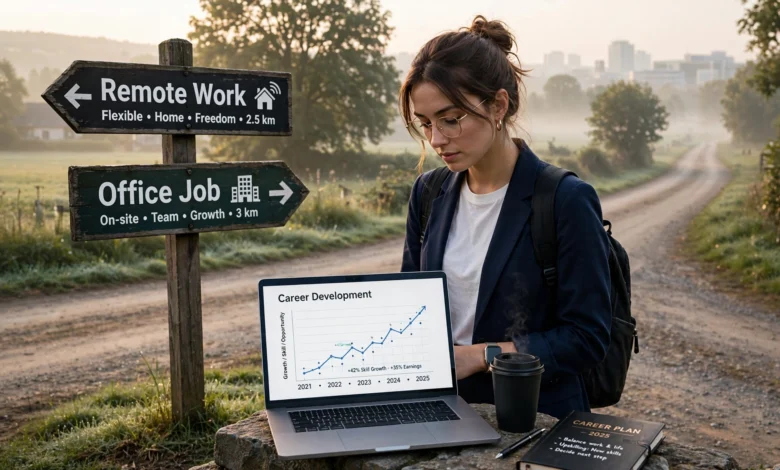
Remote work vs office jobs is one of the most argued-about questions in the modern workplace, and for good reason. The pandemic didn’t just change where people work, it changed how people think about their careers entirely. Some workers swear that ditching the commute and working from home made them more productive and happier than ever. Others say they’ve watched their in-office peers get promoted faster while they got left behind on video calls.
So which one actually builds a stronger career over time? The honest answer is: it depends on your industry, your goals, and how deliberately you manage your own visibility. This article breaks down the real trade-offs between remote jobs and office jobs, using career data, workplace research, and practical advice instead of vague opinions. We’ll look at promotion rates, networking opportunities, skill development, salary trends, and the rise of hybrid work as a middle path.
By the end, you’ll have a realistic picture of what each work style offers and what it costs, so you can make a decision based on facts rather than assumptions or whatever your favorite productivity influencer said last week.
What Remote Work and Office Jobs Actually Mean Today
Before comparing career outcomes, it helps to define terms, because “remote” and “in-office” mean different things depending on the company.
- Fully remote work means an employee never needs to be physically present at a company location. Communication happens through email, Slack, video calls, and project management tools.
- Office jobs (also called in-person or on-site roles) require employees to be physically present most or all of the work week.
- Hybrid work blends the two, typically requiring two to three office days per week, with the rest worked remotely.
According to workforce research from Gallup, hybrid arrangements have become the most common setup for employees whose jobs can be done remotely, not fully remote and not fully in-office. That single fact matters a lot when we talk about long-term career building, because the debate isn’t really “remote vs office” anymore. It’s “how much time in the office is enough to stay visible.”
The Case for Remote Work Careers
Remote work has genuine, measurable career advantages, and dismissing them as just “convenience” undersells what remote arrangements can do for a career.
Flexibility and Autonomy
Remote employees generally report more control over how they structure their day. That autonomy often translates into better focus for deep work, fewer interruptions, and less time lost to office politics or small talk that eats into productive hours. For roles that depend on concentration, like software development, writing, design, or data analysis, this can genuinely accelerate output and skill mastery.


Wider Job Market Access
This is arguably the biggest long-term career advantage of remote jobs. A worker based in a smaller city is no longer limited to local employers. They can compete for roles at companies across the country or even globally. This widens access to higher-paying positions, specialized industries, and companies with stronger growth trajectories, opportunities that simply wouldn’t exist if the job required relocation.
Cost and Lifestyle Savings
Remote workers typically save on commuting costs, work wardrobes, and daily meals out. Over a decade, those savings can be substantial. While this isn’t a direct “career” benefit, it does affect long-term financial security, which is part of what most people mean when they talk about building a stronger career.
Where Remote Work Falls Short
- Reduced visibility with leadership, since face time still influences who gets noticed for stretch assignments.
- Slower informal learning, since remote workers miss the hallway conversations and shoulder-tap mentoring that happens naturally in offices.
- Communication overhead, since async work requires more deliberate documentation and check-ins.
The Case for Office Jobs
Traditional office jobs still offer advantages that remote work struggles to replicate, particularly around relationship-building and career momentum.
Mentorship and Visibility
Being physically present makes it easier to build relationships with managers and senior colleagues. Casual interactions, like grabbing coffee or chatting after a meeting, often lead to mentorship opportunities that don’t happen naturally over Zoom. Employees who are visible to leadership are more likely to be considered for promotions, high-profile projects, and leadership tracks.
Faster Promotions and Networking
Multiple workforce studies, including research summarized by the Society for Human Resource Management, point to a consistent pattern: in-office employees tend to be promoted at higher rates than their fully remote counterparts, even when performance metrics are similar. This isn’t necessarily fair, but it reflects how human bias works. Managers naturally favor people they interact with more often, a phenomenon researchers call “proximity bias.”
Structured Career Ladders
Larger organizations, especially in finance, law, consulting, and government, still build their advancement systems around in-person mentorship and apprenticeship models. Junior employees learn by watching senior colleagues handle client calls, negotiations, and high-pressure meetings in real time. That kind of learning is hard to replicate through a screen.
Where Office Jobs Fall Short
- Commute time that eats into personal time and can add hours of unpaid labor per week.
- Less schedule flexibility, making it harder to manage family responsibilities or personal health.
- Geographic limitation, since office roles typically require living near a specific location.
Remote Work vs Office Jobs: Career Growth Data
Career growth isn’t just about feelings, it shows up in real numbers. Here’s what the data trends generally suggest:
- Promotion speed: In-office and hybrid employees are promoted somewhat faster on average than fully remote employees, largely due to visibility with decision-makers.
- Salary growth: Remote workers who switch companies for remote jobs often see larger salary jumps than those who stay loyal to one employer, since remote hiring increases competition among companies for talent.
- Job satisfaction: Remote and hybrid workers consistently report higher job satisfaction scores than fully in-office employees, according to Gallup’s ongoing workplace studies.
- Burnout rates: Fully remote workers report lower burnout tied to commuting stress, but higher rates of isolation-related fatigue over time.
The takeaway: office presence tends to help internal promotions, while remote flexibility tends to help external salary negotiation and overall wellbeing. Neither path is objectively “better,” they optimize for different outcomes.
Skills That Matter More in Each Environment
Skills That Thrive in Remote Work
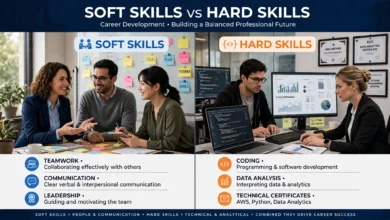
- Self-discipline and time management, since no one is watching over your shoulder.
- Written communication, since most collaboration happens through text and documentation.
- Digital literacy, including comfort with project management tools, video conferencing, and asynchronous workflows.
- Proactive updates, meaning the ability to communicate progress without being asked.
Skills That Thrive in Office Jobs
- Verbal communication and quick thinking during in-person meetings and negotiations.
- Reading social cues, useful for navigating office politics and team dynamics.
- Adaptability, since in-office roles often require handling last-minute changes or requests in real time.
- Relationship building, which directly impacts mentorship access and internal reputation.
Neither skill set is superior. Employers increasingly value people who can operate well in both environments, which brings us to the middle path.
Hybrid Work: The Middle Ground
Hybrid work has emerged as the most practical compromise for many industries, combining the flexibility of remote work with the relationship-building benefits of office jobs. Employees typically choose (or are assigned) office days for meetings, collaboration, and mentorship, while reserving remote days for focused, individual work.
Career-wise, hybrid workers often report the best of both outcomes: reasonable visibility with managers, plus the flexibility that prevents burnout. The tradeoff is that hybrid schedules require more intentional planning. Simply showing up on your assigned office days isn’t enough, you need to use that time strategically, attending meetings that matter and building relationships with the right people.
Which Builds a Stronger Career Long-Term?
Here’s the honest, non-generic answer: it depends heavily on your industry and career stage.
Early-career professionals often benefit more from office jobs, at least initially. Mentorship, structured feedback, and visibility matter more when you’re still building foundational skills and a professional reputation. Missing out on informal learning early in a career can slow skill development in ways that are hard to make up later.
Mid-career and senior professionals, especially those with established networks and proven track records, tend to benefit more from remote work. At this stage, expertise and results speak louder than physical presence, and the wider job market access that remote work provides often leads to better compensation and role flexibility.
Industries matter too. Careers in law, finance, consulting, and healthcare still lean heavily toward in-person structures. Careers in technology, marketing, writing, and design have adapted more easily to remote and hybrid models.
The strongest long-term career strategy isn’t necessarily choosing remote work or office jobs outright. It’s understanding which environment your specific industry and career stage rewards, and being deliberate about building visibility, skills, and relationships within that environment.
How to Decide What’s Right for You
If you’re weighing remote work vs office jobs for your own career, consider asking yourself these questions:
- What does my industry reward? Research how promotions typically happen in your field, through visibility, results, or a mix of both.
- What stage am I at? Early-career workers may need more structured mentorship, while experienced professionals may need more flexibility and market reach.
- How do I perform without oversight? Be honest about whether you thrive with independent structure or need external accountability.
- What are my financial priorities? Weigh commuting costs and lifestyle expenses against potential salary differences in remote versus in-office roles.
- Can I build visibility remotely? If you choose remote work, commit to proactive communication, regular check-ins, and visible contributions to offset the lack of physical presence.
For further context on how workplace flexibility trends are evolving, the U.S. Bureau of Labor Statistics publishes ongoing data on remote work adoption across industries, and Gallup’s workplace research tracks employee engagement and satisfaction across work arrangements. Both are useful, credible references if you want to dig deeper into the numbers behind this debate.
Conclusion
The debate over remote work vs office jobs doesn’t have a single winning answer, because career growth depends on more than just where you sit during the workday. Office jobs tend to offer faster internal promotions, stronger mentorship, and more natural relationship-building, while remote work tends to offer greater flexibility, wider job market access, and often stronger salary negotiation power.
Hybrid work has emerged as a practical middle ground for many professionals, combining visibility with flexibility. The strongest long-term career move isn’t picking a side in this debate, it’s understanding what your industry and career stage actually reward, and then being intentional about building skills, relationships, and visibility within whichever environment you choose.