7 Proven Strategies for Building Trust With Your Students That Transform Learning
Building trust with students creates lasting academic success. Discover 7 proven strategies to strengthen teacher-student relationships and boost classroom engagement today.
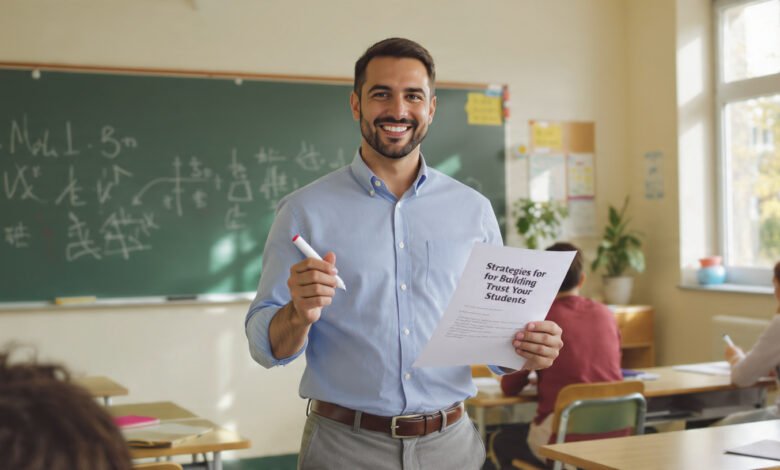
Building trust with students isn’t just another educational theory—it’s the foundation that determines whether your classroom thrives or merely survives. Every teacher knows that moment when a student finally opens up, asks for help, or takes an academic risk they’ve been avoiding. That breakthrough doesn’t happen by accident. It happens because you’ve created an environment where trust replaces fear, and genuine connection replaces transactional interactions.
The reality is that student success depends heavily on the quality of teacher-student relationships. Research from institutions like Johns Hopkins University consistently shows that relational trust directly correlates with improved academic achievement, better attendance, and enhanced student engagement. When students feel safe, valued, and understood, they’re more willing to participate, ask questions, and push through challenging material.
But here’s the catch: building trust in the classroom requires intentional effort. It doesn’t happen automatically because you’re a nice person or because you care about your students. Trust develops through consistent actions, authentic interactions, and strategic relationship-building practices that demonstrate your reliability and genuine investment in each student’s growth. This article explores seven research-backed strategies that will help you create a classroom environment where trust flourishes and learning accelerates.
Why Building Trust With Students Matters for Academic Success
The Direct Connection Between Trust and Learning Outcomes
Building trust with students creates the psychological foundation necessary for effective learning. When students trust their teacher, they’re significantly more likely to engage with challenging material, ask clarifying questions, and persist through academic struggles. According to research published by the Everyone Graduates Center, relational trust in schools correlates with measurable improvements in student achievement, attendance rates, and overall school climate.
The mechanism is straightforward: trust reduces the cognitive load associated with social anxiety and fear of judgment. When students don’t have to constantly assess whether their teacher will embarrass, dismiss, or misunderstand them, they can dedicate more mental energy to actual learning. This creates a positive feedback loop where trust building leads to increased student engagement, which in turn deepens the teacher-student relationship.
How Trust Impacts Student Behavior and Motivation
Classroom trust fundamentally shapes how students approach both academic tasks and behavioral expectations. Students who trust their teachers demonstrate higher levels of intrinsic motivation, better self-regulation, and more positive interactions with peers. They’re less likely to engage in disruptive behavior and more likely to take ownership of their learning process.
Research shows that trust in the classroom also affects students’ willingness to be vulnerable about their academic struggles. When students trust their teacher, they’re comfortable admitting confusion, requesting help, and acknowledging mistakes—all critical components of the learning process. This emotional safety allows for genuine growth rather than performative compliance.


Understanding the Barriers to Building Trust in Your Classroom
Common Obstacles Teachers Face
Building relationships with students isn’t always straightforward. Many teachers encounter structural and cultural barriers that make trust building challenging. Large class sizes limit individual attention, tight curricula reduce time for personal connection, and high-stakes testing pressures can create adversarial dynamics where teachers feel forced to push students rather than partner with them.
Additionally, many students arrive in your classroom carrying past experiences with adults who broke their trust. Previous teachers may have embarrassed them publicly, dismissed their concerns, or failed to follow through on commitments. These experiences create protective walls that take time, consistency, and patience to dismantle.
Cultural and Systemic Challenges
Cultural disconnects between teachers and students represent another significant barrier to building trust. When teachers lack awareness of their students’ cultural backgrounds, communication styles, and lived experiences, they may inadvertently send messages that their classroom isn’t a safe or inclusive space. This is particularly damaging for marginalized students who already face systemic barriers in educational settings.
Inconsistent expectations across different classrooms and teachers also undermine trust in schools. When students experience wildly different norms, consequences, and communication styles as they move through their school day, it creates uncertainty about what behaviors are safe and valued. This unpredictability makes students cautious and reluctant to fully engage.
7 Research-Backed Strategies for Building Trust With Students
1. Establish Consistent and Predictable Routines
Consistency is the bedrock of trust. Students need to know what to expect from you—not just academically, but behaviorally and emotionally. When you establish clear, predictable routines for everything from morning greetings to conflict resolution, you create a sense of stability that allows students to relax and focus on learning.
This doesn’t mean rigidity. Flexible consistency means maintaining core structures while remaining responsive to your students’ needs. For example:
- Greet every student by name at the door each day
- Maintain consistent expectations for participation and respect
- Follow through on commitments, both positive and negative
- Use predictable language and frameworks for feedback
The key is demonstrating that your reactions and responses aren’t arbitrary or mood-dependent. Students learn they can trust you because you’re reliable, not because you’re always saying yes.
2. Show Genuine Interest in Students as Individuals
Building trust with students requires seeing them as complete human beings, not just learners in seats. The 2×10 strategy—spending two minutes per day for ten days getting to know a student—demonstrates the power of individualized attention in building relationships.
Practical ways to demonstrate genuine interest include:
- Learning about students’ interests, hobbies, and out-of-school lives
- Connecting academic content to their personal experiences
- Remembering details from previous conversations
- Acknowledging their growth and progress, not just outcomes
- Asking about their wellbeing before diving into academic content
When students feel seen and valued as individuals, they’re more willing to invest in the learning relationship. This personal connection transforms your classroom from a institutional space into a community.
3. Create Opportunities for Student Voice and Choice
Trust is reciprocal. One of the most powerful ways to build trust with students is by demonstrating that you trust them. Giving students meaningful opportunities to make decisions, share opinions, and influence their learning environment sends a clear message: their perspective matters.
Consider implementing:
- Student input on classroom rules and norms
- Choice in assignments, projects, or assessment formats
- Regular feedback surveys about what’s working and what isn’t
- Leadership opportunities like peer teaching or class roles
- Co-design of learning activities based on student interests
When you invite student voice into your classroom, you’re not just building trust—you’re also increasing engagement and ownership. Students become partners in the educational process rather than passive recipients.
4. Practice Transparency and Admit Your Mistakes
Teachers who build trust with students understand that perfection isn’t the goal—authenticity is. When you make a mistake, acknowledge it openly. When you’re uncertain about something, say so. This transparency humanizes you and models the kind of honest self-assessment you want students to practice.
Effective transparency includes:
- Apologizing when you’re late, forget something, or make an error
- Explaining your reasoning behind decisions and expectations
- Admitting when a lesson isn’t working and adjusting on the spot
- Sharing your own learning journey and challenges
- Being honest about what you can and cannot control
Students respect teachers who acknowledge their imperfections. This vulnerability creates psychological safety because students learn that mistakes are opportunities for growth, not sources of shame.
5. Respond to Students with Empathy and Cultural Awareness
Building trust in the classroom requires understanding that your students bring diverse experiences, perspectives, and communication styles. Cultural responsiveness means actively working to understand your students’ backgrounds and adapting your approach to honor their identities and experiences.
Key practices include:
- Learning about students’ cultural backgrounds and communication preferences
- Avoiding assumptions based on stereotypes or limited information
- Listening actively without judgment when students share their experiences
- Recognizing that challenging behavior often signals unmet needs
- Creating space for students to share their cultural knowledge
Empathetic responses to student struggles—both academic and personal—demonstrate that you see them as complete humans deserving of dignity and respect. This is especially critical for students who have experienced trauma or marginalization.
6. Communicate High Expectations Alongside Unwavering Support
Research on “wise feedback” shows that trust building happens when teachers communicate both high standards and genuine belief in students’ ability to meet them. Students, particularly those from marginalized groups, are acutely aware of stereotypes and low expectations. When teachers communicate rigorous standards while simultaneously expressing confidence and providing support, students feel challenged and valued.
This approach includes:
- Setting clear, ambitious goals for all students
- Providing specific, actionable feedback focused on growth
- Offering multiple pathways to demonstrate mastery
- Creating scaffolds and supports rather than lowering expectations
- Celebrating effort, progress, and improvement alongside achievement
The message is clear: “This is hard, and I believe you can do it. I’m here to help you get there.” This combination of challenge and support builds both trust and academic identity.
7. Maintain Boundaries While Building Authentic Connections
Building relationships with students doesn’t mean becoming their friend—it means being a trustworthy adult who maintains appropriate professional boundaries while demonstrating genuine care. Healthy boundaries actually strengthen trust because they create safety and predictability.
Important boundaries include:
- Maintaining consistent expectations for all students
- Respecting privacy and confidentiality when appropriate
- Not sharing personal information inappropriately
- Recognizing when student needs exceed your role and making appropriate referrals
- Balancing warmth with professional distance
Students need adults who are reliable, appropriate, and invested—not peers who blur professional lines. Clear boundaries communicate respect and help students feel safe in the learning relationship.
Practical Tools for Strengthening Teacher-Student Relationships Daily
Morning Routines That Set a Positive Tone
Building trust with students starts the moment they enter your classroom. A warm, personal greeting establishes immediate connection and signals that each student matters. Consider these morning practices:
- Stand at your door and greet each student by name
- Use a quick check-in system (thumbs up/down, emoji cards) to gauge emotional state
- Share a brief personal story or interesting fact to humanize yourself
- Allow informal conversation time before formal instruction begins
These small daily interactions accumulate into powerful relationship building over time. Students learn that your classroom is a place where they belong and matter.
Communication Strategies That Build Trust
How you communicate during difficult moments—when addressing mistakes, managing conflict, or delivering critical feedback—either builds or erodes trust. Effective communication strategies include:
- Using “I” statements to express concerns without blame
- Asking questions before making assumptions
- Listening to understand, not just to respond
- Providing private feedback when addressing sensitive issues
- Following up after difficult conversations to rebuild connection
Respectful communication demonstrates that you value students even when you disagree with their choices or need to enforce consequences.
Creating Classroom Rituals That Foster Connection
Classroom rituals create shared experiences that bind communities together and strengthen trust. These might include:
- Weekly class meetings to discuss issues and celebrate successes
- Regular partner or small group rotations to build peer relationships
- Shared celebrations of individual and collective achievements
- Community-building activities that reveal students’ interests and personalities
- Reflection routines that honor individual growth journeys
These rituals signal that your classroom is more than an academic space—it’s a community where everyone belongs and contributes.
Measuring Progress: How to Know If You’re Building Trust Effectively
Observable Indicators of Classroom Trust
You can assess your trust building efforts by observing specific student behaviors and classroom dynamics:
- Students willingly ask questions and admit confusion
- Participation rates remain high across diverse learners
- Students approach you with problems, both academic and personal
- Peer interactions reflect respect and mutual support
- Students take academic risks without fear of ridicule
- Classroom atmosphere feels relaxed yet focused
These indicators suggest that students feel the psychological safety necessary for authentic learning and growth.
Student Feedback as a Trust Metric
The most direct way to assess trust in your classroom is by asking students. Regular, anonymous feedback surveys can provide valuable insights about whether students feel respected, heard, and supported. Consider questions like:
- Do you feel comfortable asking questions in this class?
- Do you believe your teacher cares about your success?
- Can you be yourself in this classroom?
- Do you feel that mistakes are treated as learning opportunities?
Student voice in this assessment process itself builds trust by demonstrating that their perspective matters.
Conclusion
Building trust with students represents the single most powerful investment you can make in creating an effective learning environment. The seven strategies outlined here—establishing consistency, showing genuine interest, creating student voice opportunities, practicing transparency, responding with empathy, communicating high expectations, and maintaining healthy boundaries—provide a research-based framework for developing the strong teacher-student relationships that transform educational outcomes. When you prioritize trust building, you create classroom communities where students feel safe taking risks, asking questions, and fully engaging with challenging material. This relational foundation doesn’t just improve academic achievement; it shapes students’ lifelong relationship with learning and their confidence in navigating complex social environments. Start small, stay consistent, and remember that every interaction is an opportunity to either build or undermine trust—and the cumulative impact of choosing connection over convenience will reshape your classroom in ways you never imagined possible.